Pre-Qualified Investor Access

Direct Energy Opportunities | Pre-Qualified Investor Access

Substantial tax deductions.Your capital stays invested.Income and upside follow.

Unlike a charitable gift, your capital remains invested in oil and gas assets, with potential cash distributions, ongoing tax benefits, and long-term upside.

Investing in oil and gas involves substantial risk of loss. Oil and gas deductions are not charitable deductions and follow different tax rules. Tax outcomes depend on venture activity and individual circumstances and are not guaranteed. Review the formal documents and consult your tax advisor.

Income and Development Joint Venture I
Income & Development Joint Venture IAccepting Investors Now
Buffalo Gap Joint Venture
Buffalo Gap Joint VentureAccepting Investors Now

2 Live

Tax-Advantaged Opportunities

80%*

Income & Development Modeled Deduction

IDC*

Buffalo Gap Deduction Potential

Your Choice

Self-Serve or Optional Call

Current Opportunities

Two strategies for tax efficiency, income, and upside.

Compare a diversified portfolio strategy with a focused development well, then choose the tax and investment profile that fits your goals.

Accepting Investors Income and Development Joint Venture I

Diversified Portfolio Strategy

Income & Development Joint Venture I

A diversified strategy pairing an illustrative 80% first-year deduction assumption with producing assets, potential depletion and depreciation benefits, cash distributions, and planned monetization.

$10M Offering
$50K Minimum
80% Modeled Year-One Deduction*
Diversified Assets
Accepting Investors Buffalo Gap Joint Venture

Focused Development Opportunity

Buffalo Gap Joint Venture

A concentrated Texas development-well opportunity. Qualifying costs may generate IDC deductions, while successful production is intended to support cash distributions and well-level upside.

$1.5M Offering
$50K Minimum
IDC Deduction Potential*
One Development Well

*The 80% figure is an illustrative first-year deduction assumption in the Income & Development brochure, not a guaranteed result. Buffalo Gap's CIM describes potential IDC and other tax benefits without stating a fixed percentage. Actual deductions and timing depend on qualifying expenditures, venture activity, tax law, and each investor's circumstances.

Income & Development Joint Venture I | Core Objectives

Tax efficiency up front. Energy income and upside over time.

01

Immediate Cash Flow

Existing production and rapid optimization are intended to support monthly or quarterly distributions.

02

Production Growth

Workovers, shut-in reactivations, recompletions, and targeted drilling are intended to expand reserves and production.

03

Tax Efficiency

The brochure illustrates an 80% first-year deduction assumption, with potential IDC, depletion, and depreciation benefits. Actual outcomes vary.

04

Capital Return

A planned 5-7 year strategy is intended to culminate in asset sales and return capital plus any realized profit.

Income & Development Joint Venture I | How It Works

Acquire production. Improve operations. Develop selectively. Monetize deliberately.

The venture's core domestic strategy focuses on assets with existing production and identifiable development upside rather than exploratory wildcat drilling.

Step 01

Acquire

Target producing PDP and PDNP properties with PUD or infield development potential in proven basins.

Step 02

Optimize

Apply workovers, mechanical repairs, shut-in reactivations, recompletions, and field-level operating improvements.

Step 03

Develop

Pursue targeted infield or PUD drilling and selective non-operated participation with established operators.

Step 04

Monetize

Seek strategic asset sales within the planned hold period to return capital and realize any appreciation.

Domestic Track Record

Built on operating experience across proven U.S. basins.

As of May 31, 2026, Eagle and its affiliates reported a broad portfolio of operated and non-operated interests assembled through more than 50 acquisitions. These figures describe historical and current affiliate activity, not guaranteed results for this venture.

971Total Portfolio Wells
734Producing Wells
98 MMBOECumulative Gross Production
10Proven U.S. Basins

Frequently Asked Questions

Understand both ventures before choosing your next step.

Income & Development Joint Venture I

What is Income & Development Joint Venture I?
It is a joint venture intended to acquire, optimize, and develop a diversified portfolio of proven oil and gas assets. The strategy combines producing properties, operated redevelopment opportunities, and selective non-operated participation to pursue current income and long-term capital growth.
What are the investment amount and offering size?
The maximum offering is $10 million through 100 units priced at $100,000 per full unit. The stated minimum purchase is one-half unit, or $50,000. Refer to the CIM and agreements for complete terms, eligibility requirements, and any updates.
How is the venture intended to generate income and growth?
Existing production and rapid optimization are intended to support monthly or quarterly cash distributions. Longer-term growth is intended to come from workovers, shut-in reactivations, recompletions, targeted infield or PUD drilling, reserve growth, and eventual asset sales. Distributions and returns are not guaranteed.
What does "no wildcatting" mean in this strategy?
The core domestic portfolio strategy described in the brochure focuses on existing producing assets and identifiable development locations in proven basins rather than exploratory wildcat drilling. The offering materials also permit a portion of proceeds to participate in certain international opportunities; review the CIM and agreements carefully for the complete investment mandate and related risks.
What tax benefits may be available?
The Income & Development brochure uses an illustrative 80% first-year deduction assumption. The venture may generate deductions related to intangible drilling costs, depletion, and depreciation, but the amount and timing depend on actual venture activity and each investor's tax situation. Deductions may differ from the illustration, be delayed, or be unavailable. Nothing on this page is tax advice; consult your tax advisor.
What is the expected hold period and exit strategy?
The stated strategy anticipates a 5-7 year hold period, with full or partial monetization through asset sales intended to return capital and any realized profit. Timing and proceeds depend on operations, commodity prices, market conditions, and other factors described in the CIM.
What are the principal risks?
Oil and gas investments are speculative and involve substantial risk of loss, including production variability, commodity-price volatility, drilling and completion risk, operating costs, environmental and regulatory matters, liquidity constraints, and the possibility that targeted distributions, development outcomes, or asset sales will not occur. Review the CIM's full risk factors before investing.
Where can I review the offering documents?
Start with the offering brochure, then review the Confidential Information Memorandum and Application Agreement. The CIM and applicable agreement control if any summary on this page differs from the formal offering documents.
Can I invest in Income & Development Joint Venture I now?
Yes. Income & Development Joint Venture I is accepting investors. Use the self-service investor account page to review the live opportunity and begin the investment process. A call is optional.

Buffalo Gap Joint Venture

What is the Buffalo Gap Joint Venture?
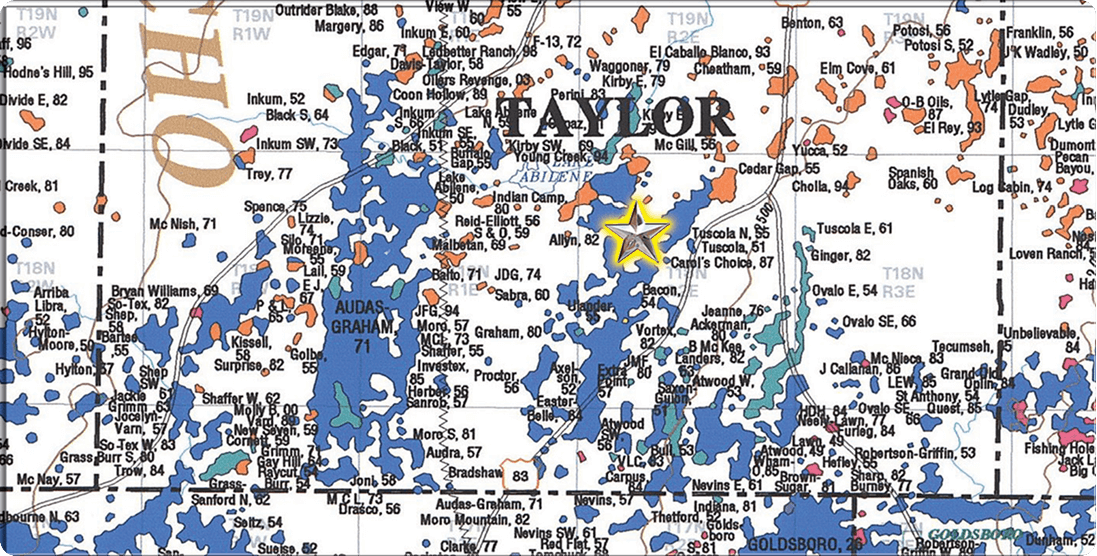
Buffalo Gap is a Texas joint venture formed to drill and complete the ENR Brown 2, one vertical development well in Taylor County. It targets the Upper Gray Sand reservoir in the Bend Arch-Fort Worth Province and holds a 75% working interest, approximately 56.625% net revenue interest, in the well on a 285-acre held-by-production lease.
What is the Buffalo Gap investment structure and minimum?
The offering is structured to raise $1.5 million through 15 units priced at $100,000 each, with a one-half unit minimum of $50,000. Review the Buffalo Gap CIM for the complete terms, ownership structure, use of proceeds, and risks.
Can I invest in Buffalo Gap now?
Yes. Buffalo Gap is accepting new investors. Use the Buffalo Gap investor account page to begin the self-service account and opportunity-review process. A call is optional.
What tax benefits may Buffalo Gap offer?
Buffalo Gap may allocate qualifying intangible drilling cost and other deductions to eligible investors. Its CIM does not promise a fixed deduction percentage. The amount and timing depend on qualifying expenditures, when an investor is admitted, tax law, and the investor's circumstances. Consult your tax advisor.
Where can I review the Buffalo Gap CIM?
Open the current Buffalo Gap Confidential Information Memorandum. The CIM controls if any summary on this page differs from the formal offering materials.

Choose Your Next Step

Choose your tax-advantaged energy strategy.

Compare first-year deduction potential, ongoing tax benefits, income strategy, and long-term upside. Then choose an opportunity and create your investor account when you are ready.